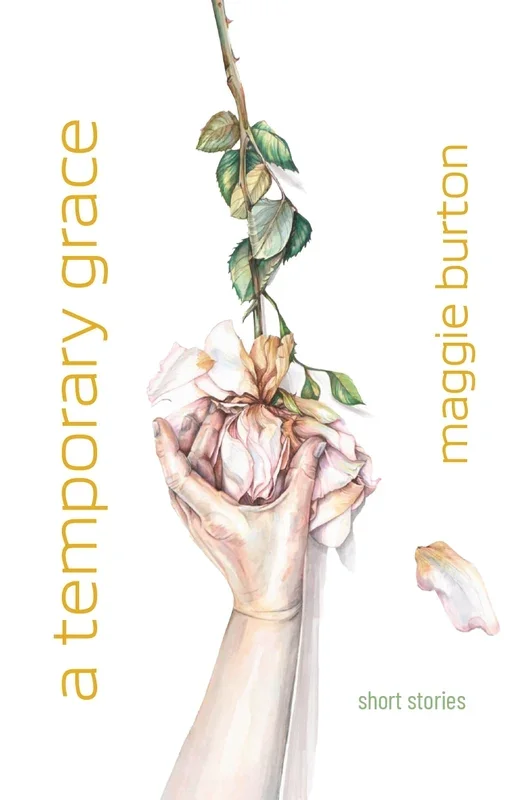
In an unflinching examination of the modern love story, A Temporary Grace is a raw and insightful exploration of power, vulnerability, and our urgent need to redefine intimacy.
Set in modern-day Newfoundland, A Temporary Grace weaves together a series of interconnected stories that navigate the complexities of dating in the post-MeToo era and through the oppressive forces that trap us in outdated patterns. Liberation is elusive. Coercive control masquerades behind performative displays of "goodness," making it difficult to recognize and resist. Brutally honest, with characters yearning for self-actualization, these stories grapple with restless desire as predation and scams plague progressive circles and power imbalances lurk in unconventional relationships.
You can practice all the ethical non-monogamy you like, Instagram yourself to death, virtue-signal until you’re blue in the face, but ultimately, Burton seems to suggest, not only is Hell other people, but Hell is also, perhaps felt most acutely of all, oneself. And there’s no escaping that. But maybe there is the possibility of changing it.
As heavy as all that sounds, Burton’s prose is light and quick enough to bear the weight—the collection is infused with an understated humour—and there’s a certain train-wreck fascination, not to mention, dare I say it, unsettling recognition of oneself, in watching her characters careen from one emotional pile-up to the next.
Burton’s strength was in shaping stories around really horrible people. A couple of the characters return throughout the collection, and each new story offers a new look at how they exert control and manipulate the people around them. It was deeply uncomfortable and disturbing, but the depth of the characters makes it so interesting to read.
Burton never shies away from complexity and nuance in how people treat other people, and she takes the reader through the worst of it. But her writing is so enthralling that it is impossible to leave the story before it’s over.
Newfoundland is often depicted as existing within a romanticized version of the past—think of the tourism commercials that show clothes flapping on the line in a pristine rural community, followed by drone shots of undeveloped coastline. So Burton’s choice to explore themes that belong definitively to this decade, in the context of the island’s very recent past, makes this collection an exhilarating addition to Newfoundland’s literary landscape.